
Events
How to Plan a Community Event in a Public Square: Permits, Layout and Safety
October 02, 2026
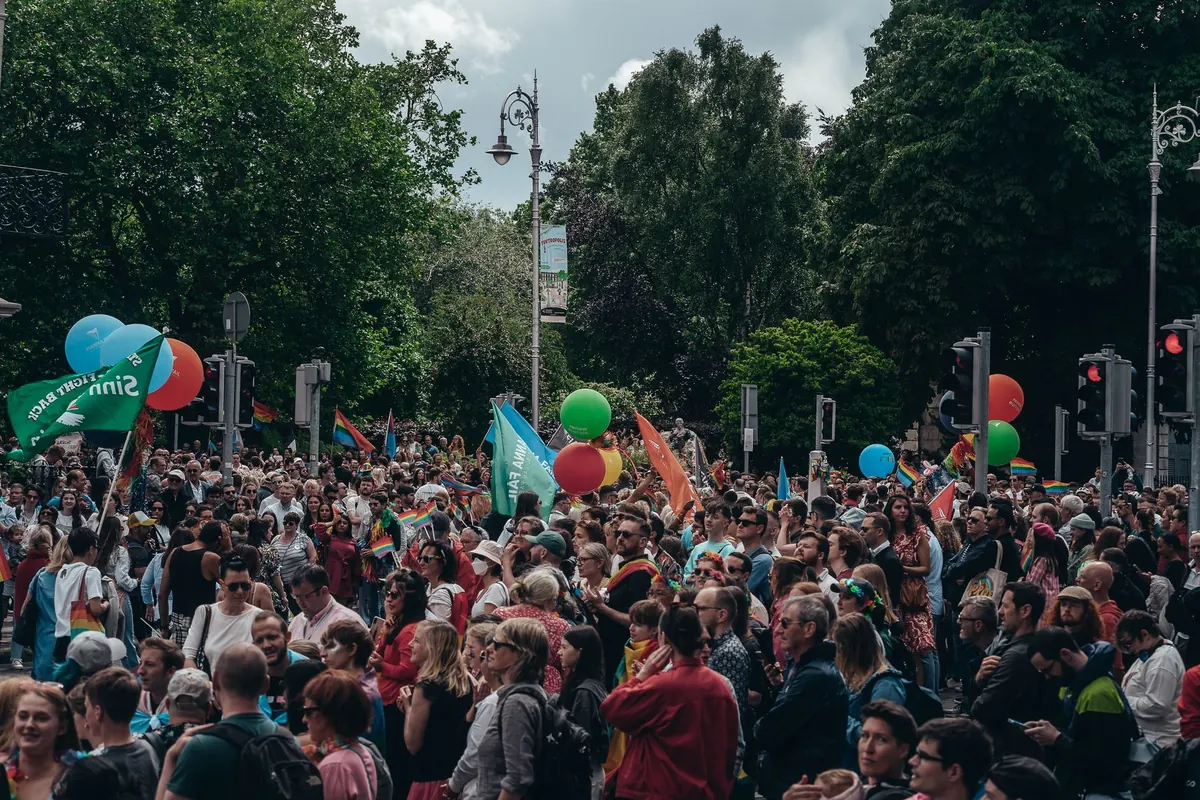
Every good square event begins with a walk. Not a meeting, not a spreadsheet, but an hour on the pavement at the same time of day as the event you are imagining — Tuesday at four, say, when the light is flat and the bins are full and the piazza is doing what it does when nobody is watching. That hour tells you things no application form will: where people naturally gather, which corner catches the wind, where the delivery vans swing in, how long the shadow of the church lasts.
The rest — permits, layout, safety — is craft. It can be learned, and it is mostly a matter of doing things in the right order. Here is that order.
Read the square before you design the event
Go three times, at three different hours. A weekday morning, when the vans are unloading. A market day, if there is one. An evening, when the lights come on and you can see who actually uses the space. Take photographs and note the fixed furniture: bollards, benches, fountains, tree roots lifting the paving, steps, that one slab that turns into a puddle.
Then note the invisible furniture — the routes and habits that make the square work. The bar's tables that spread out at six. The man with the dog who sits on the same step every day. The short cut everyone takes between the pharmacy and the bus stop. Block those and you have made an enemy before the event has begun.
Talk to the people who are already there. Ask the bar owner what events have worked before and what went wrong. Ask the newsagent where the water collects when it rains hard. Ask the market traders where they need their access kept clear. You will get more useful information in twenty minutes than in a month of guessing.
Permits: start with a phone call, finish with a signature
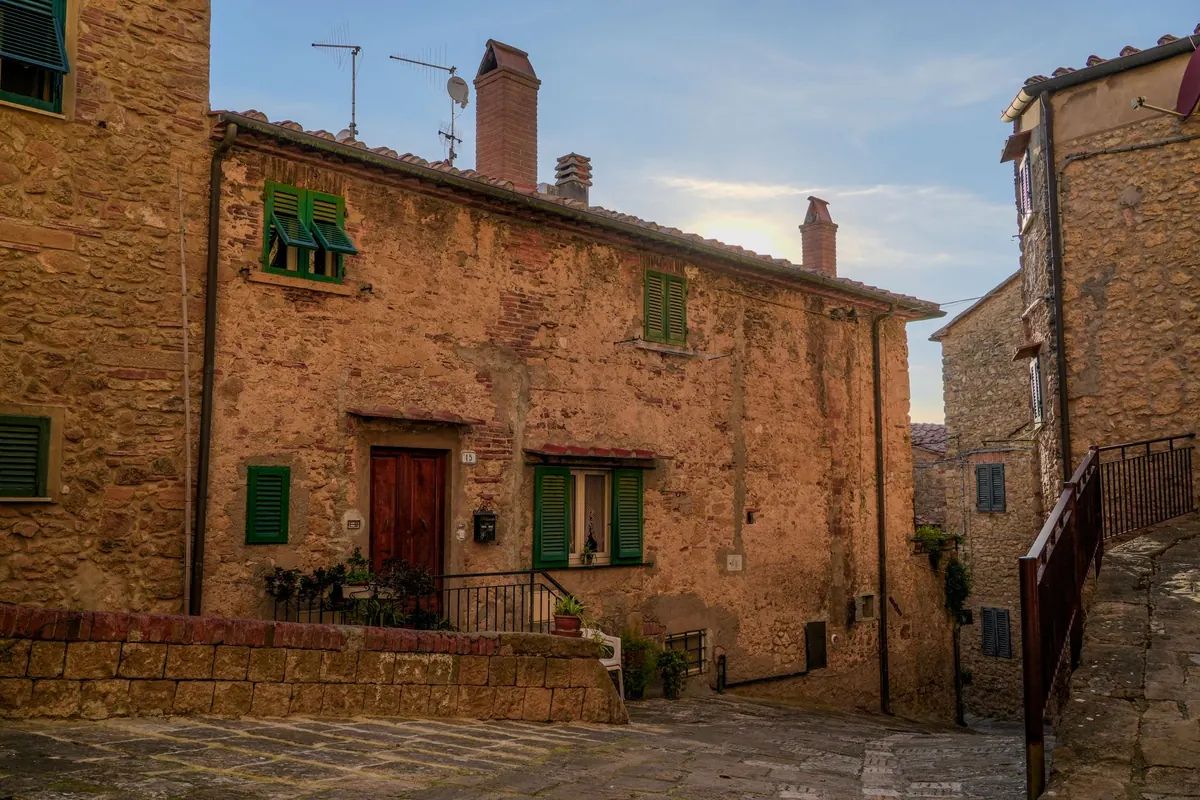
In an Italian piazza — and in most European squares — the paperwork begins at the comune's events office and spreads outward from there. Call early, before you have designed anything, and ask two questions of every office you speak to: what do you need from me, and by when? Write down the answers and confirm by email. A verbal yes in March has a way of evaporating in June.
The offices you are likely to deal with include the events office (manifestazioni), the local police for traffic and access, the commercial licensing office, and the environment or noise office. If the square sits in a historic centre, there may be heritage constraints on anchoring anything into the paving or building against a listed facade. If the square is owned by a parish, a foundation or a private family — many are — you need their written consent as well.
A sensible order of work looks like this:
- Occupation of public land. The base permit. Attach a scaled plan showing metres, structures and access routes, not a sketch on the back of an envelope.
- Public entertainment authorisation. Usually required for amplified music, performances, dancing or screenings, depending on local rules.
- Sound and hours. Amplified music often needs its own permission with a time limit attached. Ask for it explicitly.
- Food and drink. Every vendor should hold their own registrations and hygiene paperwork; collect copies before the day, not on it. Alcohol needs separate permission.
- Structures. Stages, towers, inflatables and large gazebos generally need structural certification and notification. Ask which documents the comune requires.
- Insurance. Public liability cover for the event, with a certificate you can hand over.
- Music rights. Playing recorded or live music in public usually involves a licence fee.
- Waste and cleaning. Agree in writing who clears up, and when, and who pays.
Rules differ from one municipality to the next and they change. Treat that list as a map, not a substitute for the counter. And if money, contracts, alcohol or employment are involved, take proper local advice before you sign anything.
Draw a plan in zones, not in stalls
The most common layout mistake is to fill the square with a list of things — ten stalls, a stage, a bouncy castle — and then look for space to walk. Start the other way round, with the space people need to move, and fit the programme into what is left.
- Arrival and information: visible from at least two approaches, with room for people to stop without blocking the way.
- Main programme: stage or focal point, with a clear sightline for someone standing at the back.
- Food and drink: away from the loudspeakers, with queues given their own space so they do not swallow the aisle.
- Children and quiet corner: the edge, not the middle, and away from vehicle access.
- Back of house: artist access, storage, bins, water.
- First aid: obvious, central, and reachable by stretcher.
Keep one continuous emergency lane of three to four metres, unbroken from the street to the far side of the square. Give every enclosed area two ways out. Avoid dead ends where people can drift and then need to turn around against a crowd. Accessible routes should be at least 1.5 metres wide, on a firm surface, with no cables across them — use cable ramps, and ramps rather than single steps at every threshold.
Orient the stage so the sound goes away from bedroom windows, and check where the sun will be at the hour of the performance. Then, a week before, mark the whole layout on the ground with tape or chalk and walk it: with a pram, with a wheelchair, with a delivery trolley. You will move something. Better now than at four in the afternoon on the day.
Crowd safety sized to a square, not a stadium
Realistic numbers beat optimistic ones. Count who came to the last comparable event, or estimate the comfortable density the square holds, then plan for that figure with a margin and design the entrance so arrivals can be slowed rather than stopped. Safe capacity is not the maximum number of bodies that will fit; it is the number at which people can still move, see, and find each other.
Brief stewards properly. Give each zone a named person, a hi-vis vest, a one-page sheet with the site plan and key contacts, and a radio or a group chat that everyone has tested. Have a floating pair who can go wherever the pressure builds. Appoint one lead who has the authority to pause the programme, and agree in advance what the phrase for that is.
Fix the small protocols early: a lost-child point, a meeting point for the stewards, a route for an ambulance that stays clear. Watch the weather — weight every gazebo, never peg into historic paving, know at what wind speed you take things down, and have a rain plan that does not involve everyone crowding into one tent.
For stages, large crowds, fireworks or road closures, a formal safety plan prepared by a competent professional is normally expected. Ask the comune what format they want at the first phone call, not the last.
The unglamorous details decide the day
Power, water, toilets, rubbish and noise. Generators should sit away from the audience and downwind of the food, with cable ramps over every path. Place bins at the exits, not only at the centre, and decide your policy on glass before someone brings it. If there is no drinking water in the square, put some there — a heatwave is the one thing you cannot programme around.
On noise, the winning move is a letter. A week before, put a note through the doors around the square with the start and finish times and a phone number that a human answers. Agree a curfew with your neighbours and keep to it, even if the crowd wants one more song. Run a sound check early in the afternoon rather than at eight in the evening.
Leave the square better than you found it
The event is not over when the last person leaves; it is over when the paving is swept and the bollards are back where they belong. Book the clean-up crew for the same night, not the next morning. Walk the square once at the end with a torch and a bag, and take photographs of the condition you left it in — that record protects you and it makes next year's application easier.
Then do the quiet work: send thank-you notes to the offices and the neighbours who helped, write down what actually happened against your plan, and file the site plan, the permits and the photographs together. Renewals get much simpler when you can hand over last year's folder. A square that hosts a well-run event earns a little more trust each time, and trust is the permit that lasts.
Photo: Artem Kulinych / Pexels
Related posts
More stories you’ll love reading