
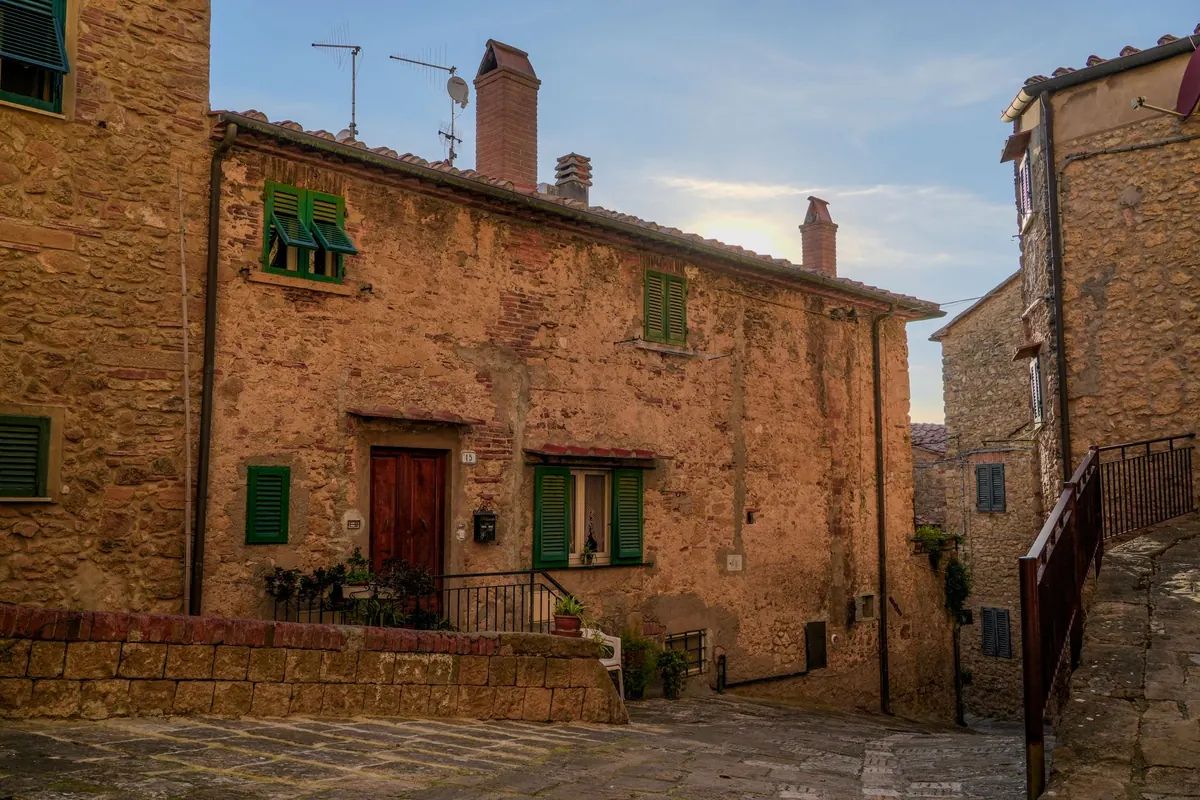
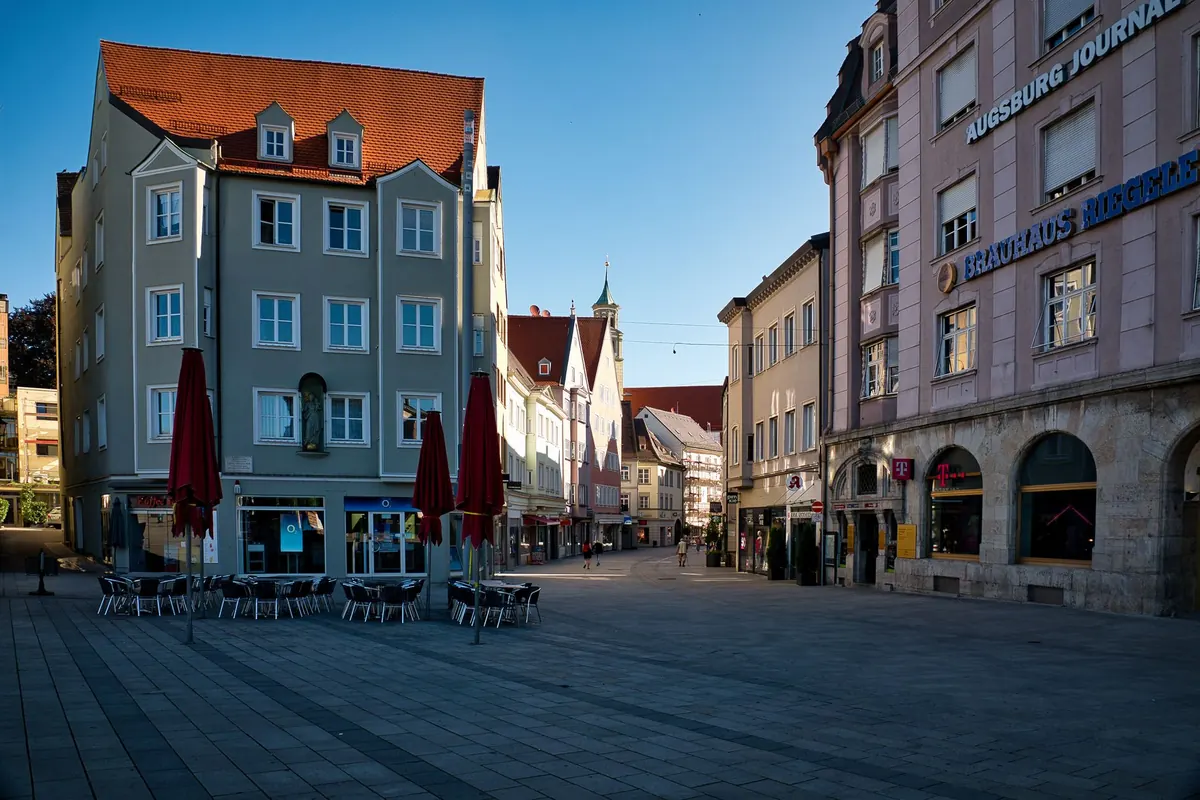
At 6:40 on a Tuesday the fountain is running for nobody. A waiter stacks four chairs, tips the water out of an ashtray and disappears under the awning. You have roughly forty minutes before the first delivery van noses in and the square starts behaving like a road again. That gap — between the night shift and the morning one — is the whole art of photographing a piazza without people in it. It has almost nothing to do with luck and very little to do with your camera.
The Square Keeps a Schedule
Emptiness is a by-product of other people's routines. A square clears when the market packs up, when the service begins, when lunch lands on the table, when the school gates open, when the shutters come down for the afternoon. None of that happens at random, and all of it repeats. Treat the place as a workplace rather than a backdrop and it will start telling you when to come back.
So do a reconnaissance visit with no camera at all. Sit with a coffee for an hour and note three things: what opens and when, what closes and when, and what crosses the space and at what hour. Garbage trucks, street sweepers, delivery vans and men rolling beer kegs are the enemies of a clean frame, and every one of them is on a timetable you can learn in a single morning.
Season by Season
Winter
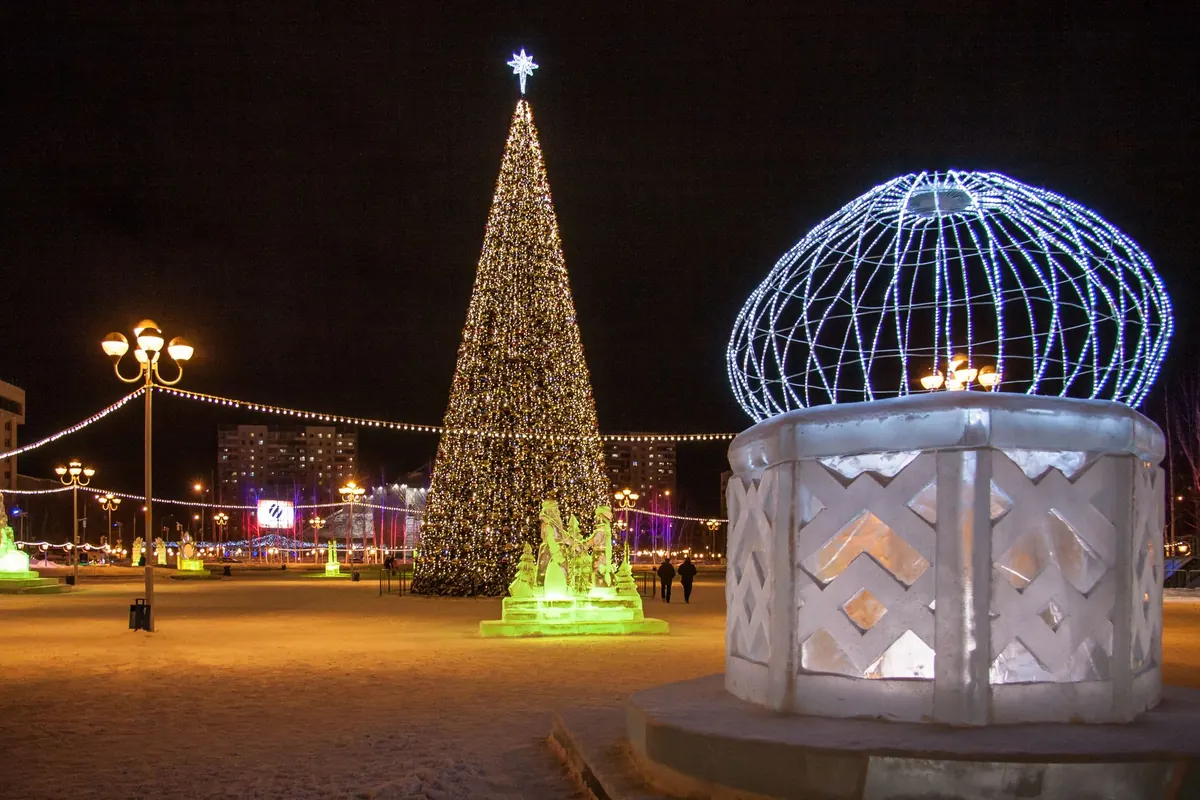
The low sun never climbs high enough to blow out the stone, so the light stays workable from mid-morning until it slips behind the roofs. January and February are usually the quietest weeks of the year in European squares, with one large exception: December, when markets, lights and holiday crowds fill the same space until late. Daylight is short, so aim for early afternoon rather than late evening, and remember that by four o'clock the square may already be in shade.
Spring
The generous window. Mild weather brings people back out, but the heaviest travel hasn't arrived, and the sun sits at a pleasant angle for most of the day. Mornings before eight are reliably quiet in residential squares, weekends included. Watch Easter week, when processions and holidays take over the paving, and expect a little haze that softens distant detail.
Summer
Hard light from late morning to mid-afternoon, and heat that pushes everyone indoors or into the shade of an arcade. The compensation is dawn: at half past five in June the square is cool, empty and lit by a sun that has barely cleared the rooftops. Midday can still work in a shaded, residential square, but anywhere near a coach stop it will be full. August is its own puzzle — many city centres empty of residents while filling with visitors, which is the reverse of what you want.
Autumn
September and October are the best all-round months in southern Europe: warm enough to keep the café tables busy, low enough sun for long shadows, and quiet enough on weekdays to give you the frame you came for. Rain is an asset. A shower empties a square in minutes and leaves the paving dark and reflective, and the first foggy mornings of late autumn are worth setting an alarm for.
The Weekday Map
Tuesday, Wednesday and Thursday are the safest bets overall. The city is at work, visitors are on a schedule, and the square settles into its ordinary rhythm. Monday morning often belongs to the market or to the street cleaner, so check before you commit. Friday slides into evening earlier than you expect. Saturday is the busiest day in most Italian squares — market, shopping, weddings, errands — and the worst day to hope for empty stone. Sunday is a shape-shifter: very quiet between seven and ten, then the church doors open and families appear, then the passeggiata takes the square for the rest of the afternoon. In heavily visited cities, Sunday morning can be the calmest hour of the entire week.
The Hour-by-Hour Window
A generic day in a residential square looks roughly like this. Adjust for tourist squares, which never truly empty between ten and six.
- First light to about 7am. The quietest, cleanest hour. Long shadows across the paving, no one in the frame, cold blue air. Arrive twenty minutes before sunrise and set up while you can still see your breath.
- 7 to 9am. Deliveries, commuters, the first espresso drinkers standing at the bar. Vans will park wherever you least want them.
- 9 to 11am. Tables and chairs come out, shutters go up, shoppers cross diagonally. Good for detail shots rather than wide views.
- 1 to 3pm. The lunch lull. In residential squares this is the second-best window of the day, though the light is flat and hard. In tourist squares, it is a scrum.
- 3 to 5pm. Harsh sun, school run, scooters. Skip it unless there is cloud or shade.
- Golden hour. The light everyone wants and the people everyone gets. Useful for architecture, poor for emptiness.
- Blue hour. Tripod time. Windows glow, the stone turns violet, and the crowd thins as restaurants fill. Ten or fifteen minutes, no more.
Light Quality, Not Just Empty Space
An overcast morning in November will give you softer, more even light than a bright June afternoon, and fewer people in the frame as well. Cloud is not a consolation prize. Before you pick a time, work out which way the main façade faces: east-facing walls are lit early, west-facing ones late, and a square surrounded by arcades may never receive direct sun at all, which is its own kind of gift for detail work.
Low sun behind the buildings gives you backlight and long shadows, but watch for flare across the lens. Carry a polariser in summer to control glare on stone and glass, and keep a cloth for wet paving, which will double your composition if you get low enough. If you want the blue hour without the tripod crowd, shoot it on a weekday in the off-season, when you may have the whole square to yourself.
Field Notes From the Paving
- Frame the edges tightly. People enter a photograph from the margins first, so a composition that excludes the side streets buys you extra minutes.
- Don't wait for zero people. A lone figure at the far end, small and turned away, often improves a square more than an empty one.
- Set up before the gap, not during it. Fumbling with a tripod at 6:45 wastes the best light of the day.
- Keep out of doorways, off café service routes and away from the church steps. Being asked to move is worse than being patient.
- Check the local calendar for feast days, processions, marathons and markets. One of them can erase your entire trip's worth of planning.
- Ask before photographing people close up. A square is somebody's living room, and it costs nothing to be decent about it.
The Quiet Hour Is a Habit
Pick two squares and commit to three early mornings rather than ten squares in one rushed weekend. Keep a note on your phone of the hour each one emptied, the weather and where the sun sat; within a season you will have a schedule no guidebook contains. Off-season weekdays, just after dawn, in ordinary weather, remain the most reliable recipe — and if you miss it, wait for rain. Squares empty fast when the first drops hit the stone, and the light afterwards is usually worth the soaking.
Photo: Joerg Hartmann / Pexels
Related posts
More stories you’ll love reading